
POGO pricing Impact on Condominiums
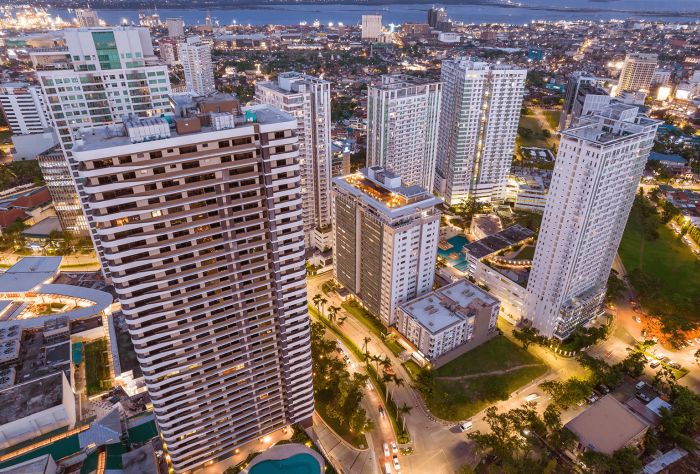 Effects of Decreased Condominium Prices Post-POGO Influence
The Philippine real estate market is dynamic. It experiences fluctuations due to various economic factors. One significant factor that has influenced the market is the rise and subsequent decline of the Philippine Offshore Gaming Operators (POGO) industry. This article examines the effects of decreased condominium prices in the Philippines. It will specifically focus on the period following the peak of POGO influence and POGO pricing Impact on Condominiums.
The Rise of POGOs and the Condo Market
POGOs are online gaming companies. These companies primarily serve customers outside of the Philippines. Many POGO employees are foreign nationals. They require housing and office spaces. The influx of POGO workers created a surge in demand. POGO pricing Impact on Condominiums rentals and sales increased dramatically. This surge particularly affected Metro Manila. Landlords and developers enjoyed high rental yields. They also saw rapid appreciation in property values. This period represented a boom for the condominium market.
However, this boom was not without its complexities. The increased demand led to concerns about affordability for local residents. Some critics argued that POGOs were driving up prices. This made housing less accessible to the average Filipino.
The POGO Exodus and Market Correction
Several factors led to a decline in the POGO industry. The Philippine government implemented stricter regulations. Increased taxes also played a role. The COVID-19 pandemic introduced travel restrictions. This further disrupted POGO operations. As a result, many POGO companies began to leave the Philippines. This exodus had a significant impact on the condominium market.
The departure of POGO tenants led to a sharp decrease in demand. Condominium vacancy rates rose significantly. Landlords faced difficulties in finding new tenants. This oversupply of available units put downward pressure on prices. Both rental rates and selling prices experienced declines. The market experienced a correction.
POGO pricing Impact on Condominium Prices
The decrease in POGO activity had several direct effects. Condominium prices experienced a notable drop. This decline affected different segments of the market. Luxury condominiums, which were often favored by POGO executives, saw significant price reductions. Mid-range and even some affordable housing segments were also affected. Landlords had to lower their rental rates. Developers offered discounts and promotions. This was in an attempt to attract buyers and move inventory.
The market shifted from a seller’s market to a buyer’s market. Buyers gained more negotiating power. They could demand lower prices and better terms. The decline in prices made condominiums more affordable. This opened opportunities for local residents. Many could now purchase properties. These properties were previously beyond their financial reach.
Impact on Developers and Landlords
Developers faced challenges due to the market correction. Projects that were primarily targeted at the POGO market experienced difficulties. Some developers had to delay or even cancel new projects. This led to a slowdown in construction activity.
Landlords who had invested in condominiums for rental income also felt the impact. Rental income decreased significantly. Some landlords struggled to cover their mortgage payments. They were forced to sell their properties at a loss. The decrease in condominium prices affected their return on investment.
Opportunities for Local Buyers
The decline in condominium prices created opportunities. Local buyers found it easier to enter the market. Young professionals and families could now afford to purchase their own homes. The increased affordability addressed some of the earlier concerns. Housing became more accessible to a broader segment.
Furthermore, the shift in the market encouraged long-term investment. Buyers who purchased condominiums for personal use or long-term rental gained. They acquired assets at more reasonable prices.
Long-Term Market Implications of POGO pricing Impact on Condominiums
The departure of POGOs has long-term implications. The Philippine condominium market is becoming less reliant. It is less reliant on a single industry. This reduced reliance makes the market more stable. It is also more sustainable in the long run. The focus is shifting back to traditional demand drivers. These drivers include local economic growth. They also include the housing needs of the Filipino population.
Moreover, the events highlight the importance of diversified demand. A healthy real estate market should serve a broad range of buyers. These buyers include owner-occupiers and long-term investors.
Government and Regulatory Response
The Philippine government has taken steps. They are managing the effects of the POGO decline and POGO pricing Impact on Condominiums. Regulators are monitoring the real estate market. This is to ensure stability. They are also implementing policies. These policies promote sustainable growth. These efforts aim to prevent future market imbalances.
Furthermore, the government is focusing on initiatives. These initiatives address the housing needs. They are for local residents. This includes affordable housing projects. It also includes programs that support first-time homebuyers.
The decrease in condominium prices post-POGO exodus has reshaped the Philippine real estate market. While challenges remain, new opportunities have emerged. Local buyers can now access more affordable housing. The market is becoming more balanced. In the long term, this correction can lead to a more sustainable and resilient real estate sector. The focus is on serving the needs of the broader Filipino population.
This Post Has 0 Comments