
Urban Plants Benefits
The Value of Urban Plants in Planned Living Situations
 Plants are essential to human life. They provide us with food and oxygen. Beyond these basic needs, plants offer much more. Within planned living situations, their value extends to both our health and our aesthetic appreciation. This article explores the profound impact Urban Plants have on human well-being. It will also discuss how plants enhance the beauty of our surroundings.
Improving Physical Health
Plants significantly improve our physical health. They are natural air purifiers. Through photosynthesis, plants absorb carbon dioxide. Then, they release oxygen. This process is vital for human respiration. In urban environments, air pollution poses a significant threat. Plants help to combat this problem. They can filter out harmful pollutants. These pollutants include volatile organic compounds (VOCs). Plants also increase humidity levels. This can reduce respiratory problems.
Studies have shown that indoor plants can decrease fatigue. They can also lower stress levels. Exposure to greenery has been linked to faster recovery times. This is true for patients in hospitals. Offices with plants report fewer sick days. Overall, plants contribute to a healthier living environment.
Enhancing Mental Well-being
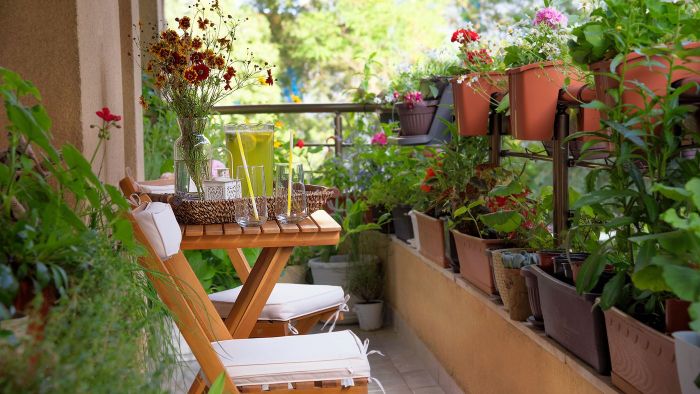 Plants also play a crucial role in our mental health. Green spaces have a calming effect. They reduce feelings of anxiety. Looking at plants can lower our heart rate. It can also decrease blood pressure. This promotes relaxation. Plants provide a connection to nature. This connection is essential for our psychological well-being.
The presence of plants can improve our mood. It can also increase our sense of well-being. Plants in the workplace enhance concentration. They also boost productivity. In educational settings, plants can improve student performance. Even a small number of plants can make a big difference.
Creating Aesthetic Appeal
Plants bring beauty to our surroundings. They add color and texture to spaces. Plants can transform a sterile environment. They make it feel more welcoming. A well-placed plant can become a focal point. It draws the eye and adds visual interest. Plants can soften the hard lines of buildings. They create a sense of harmony.
The variety of plants offers endless possibilities. Different leaf shapes, flower colors, and growth habits can create unique designs. Plants can define spaces. They can also create a sense of privacy. They can screen unwanted views. Plants can also enhance the architecture of a building.
Promoting Sustainable Living
Plants contribute to sustainable living practices. They can reduce energy consumption. Trees provide shade. This shade can cool buildings. This reduces the need for air conditioning. Green roofs and walls insulate buildings. They help to maintain a consistent temperature. Plants also help to manage stormwater runoff. They absorb rainwater. This reduces the risk of flooding.
Furthermore, plants support biodiversity. They provide habitats for birds, insects, and other animals. Urban gardens can become oases. They offer refuge in concrete landscapes. Plants also play a role in reducing the urban heat island effect. This is a phenomenon where cities are significantly warmer.
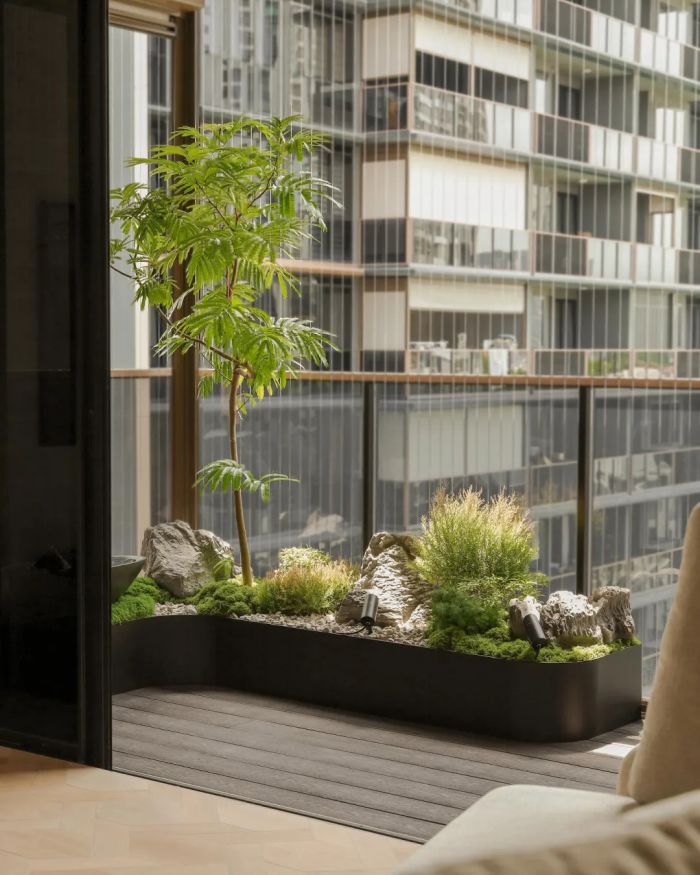 The Role of Plants in Planned Communities
Planned communities are increasingly incorporating green spaces. Developers recognize the value of plants. Parks, gardens, and greenbelts are becoming standard features. These areas provide residents with access to nature. They encourage outdoor activities. They also foster a sense of community.
Residential buildings are also integrating plants. Indoor gardens, green walls, and rooftop gardens are becoming more common. These features enhance the living experience. They promote both health and well-being.
Conclusion
Plants offer invaluable benefits. They improve our physical and mental health. Plants enhance the aesthetic appeal of our surroundings. They also promote sustainable living. In planned living situations, plants are not a luxury. They are a necessity. They contribute to creating healthy, beautiful, and sustainable communities. Incorporating plants into our homes, workplaces, and cities is an investment. It is an investment in our well-being and the future of our planet.
This Post Has 0 Comments